


Understanding Different Types of Walkers: Which One Is Right for You?

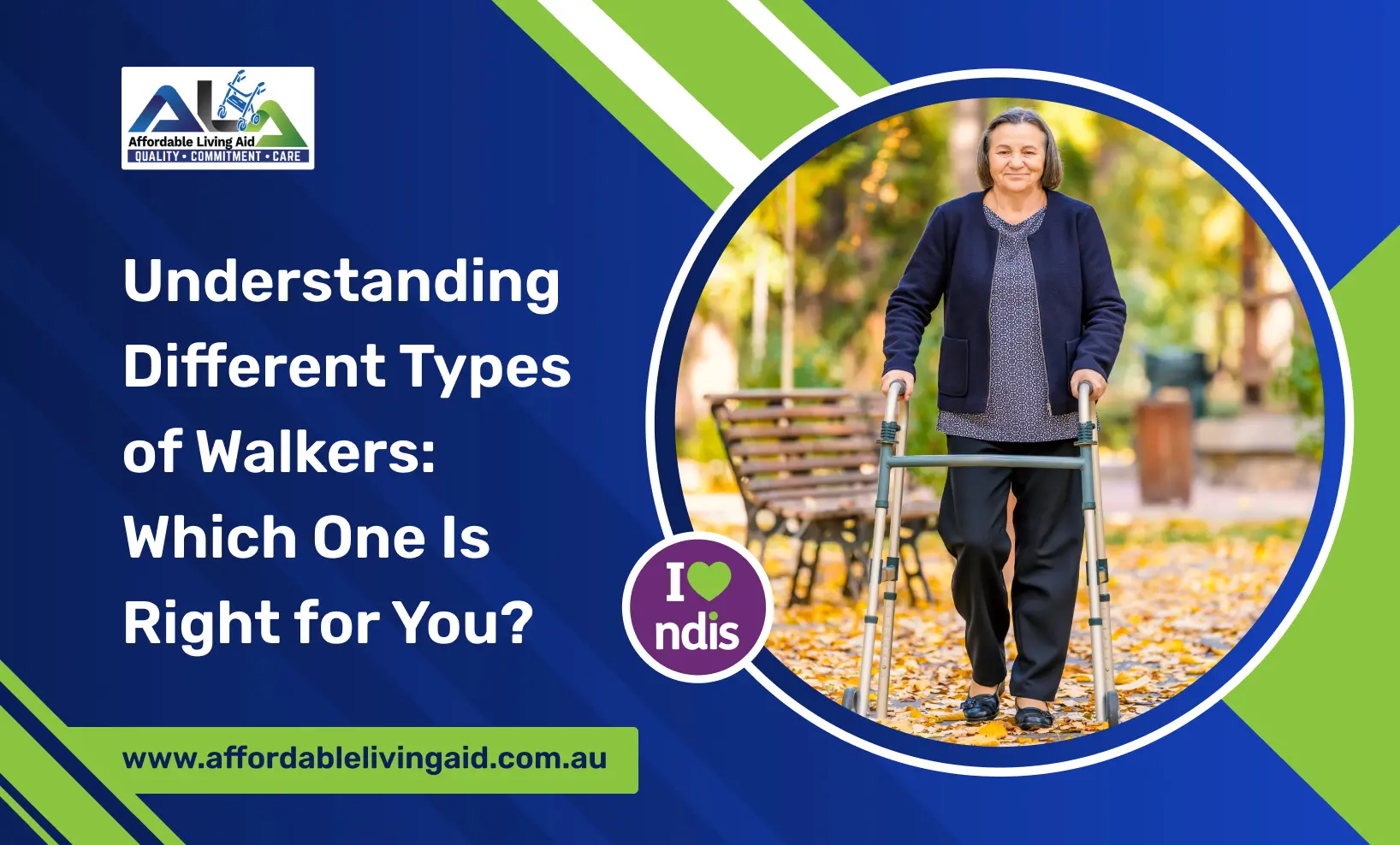
Selecting a walker may appear to be an easy task, until you start viewing all the options on the market. You have to choose from a wide range of regular walkers, two-wheel walkers, rollators, knee walkers, hemi walkers, and many others. Each one vows safety, support, and mobility, however, not all walkers are equal. Besides, walking confidence has an impact on everything from independence to safety, and thus, choosing the right walker type does matter a lot more than most people think.
If you are picking a walker for yourself, a parent, or someone who is recovering from surgery or has suffered an injury, it is good to be aware of the differences between each type as this could help you make an informed and confident decision. This guide simplifies everything and makes it friendly so that you can find the right walker for the user’s needs, lifestyle, and comfort level.
The Importance of the Right Walker Choice
Walkers go beyond being just mobility devices, they are avenues to independence. Having the right walker you can walk radiantly and effortlessly, lessening the risk of falling, and most importantly, no pain. But what if you get a walker that doesn’t fit your needs? It will easily become a source of irritation, discomfort, and in some situations, even danger.
The different types of walkers can be classified according to the type of gait, stability level, and mobility needs. Some will provide the user with slow and steady support, whilst others will support faster and more natural movement. There are some that are best for indoor use, while others are for running errands, going outdoors, and traveling long distances. The mastery of these differences will guarantee that the challenges with mobility will not impede one’s everyday life.
The analogy of selecting a walker is similar to that of selecting a pair of shoes, the right fit and the right style for your lifestyle are needed.
Standard Walkers: Maximum Stability for Slow, Steady Movement
A standard walker, also called a “pickup walker” is most probably the typical four-legged frame that everyone thinks about. The absence of wheels might be perceived as a drawback, but it is precisely this feature that makes the walker highly stable.
Standard walkers are recommended for those who need a lot of weight support. Patients recuperating from extensive surgeries, such as hip or knee replacements or lower-limb injuries, usually begin with a standard walker since it enables them to put minimal weight on the affected area.
The operation of a standard walker entails constantly lifting the frame just a bit with each step. Although this can be a physically taxing process for some users, it provides the highest level of control. The walker won’t roll away, and it won’t move unless you make it.
Such a walker is appropriate for:
- Patients with severe balance problems
- Post-operative recovery
- Extremely slow or careful walking
- Those who need to shift weight through their arms for support
The standard walker is not the fastest option, but it is the most stable. Imagine the faithful and slow-moving friend who is always there for you, this is the walker.
Two-Wheel Walkers: A Combination of Support and Mobility
Two-wheel walkers, often referred to as front-wheel walkers, are the ideal compromise for many users. They resemble standard walkers but have wheels attached to the front two legs. This particular construction enables the user to slide the walker forward instead of lifting it every time he/she takes a step.
People requiring moderate support but still desiring a constantly moving and easy-to-use device will find the two-wheel walker equally accommodating. It lessens the pressure on arms and shoulders while allowing safe and controlled movements. The non-wheeled back legs stop the walker from either rolling too fast or too far.
Two-wheel walkers are excellent for:
- Individuals with mild to moderate balance challenges
- People recovering from surgery but ready for more mobility
- Those who need more support than a cane but less than a standard walker
- Indoor use and smooth surfaces
This kind of walker helps to maintain the natural walking cycle. Most of the elderly people think that it provides them with enough support to feel secure, but at the same time it gives them the possibility of moving freely with no need to lift the device constantly.
Rollators: Fast, Flexible, and Made for An Active Lifestyle
Rollators, referred to as “walkers with wheels” in short—are among the most commonly used mobility aids today. They come with three or four wheels, a seat, hand brakes, and the whole new look that makes it easier for the users to move.
Unlike the standard or two-wheel walkers, rollators are made for people who don’t need to lean very much on the device for support. They are meant for mobility, independence, and convenience—not for slow movement. The wheels are very free to move which allows the users to take their steps naturally with very slight interruption.
One of the main advantages of rollators is the seat. When tiredness strikes, the users can take a rest immediately, no matter if they are in the supermarket, taking a walk, or standing in a queue. Besides, they usually come with storage baskets or bags which facilitate errands.
Rollators are perfect for:
- Persons with slight balance problems
- Individuals with endurance limits or tiredness
- Older people who want help during long walks
- Outdoors and longer distances
- People who prefer a more modern, convenient option
Rollators are not suitable for persons requiring substantial weight-bearing support as they roll easily and are not designed to withstand heavy downward pressure. However, they are revolutionary for those who need mobility more than stability.
Three-Wheel Rollators: Lightweight and Nimble
Three-wheel rollators give all the mobility advantages of their standard counterparts, just the frame is sleeker and narrower. They’re perfect for navigating tighter spaces, like small rooms, crowded stores, or narrow hallways.
The triangular design makes them incredibly easy to maneuver. They’re lightweight, often fold up compactly, and are excellent for both indoor and outdoor use. While they don’t offer built-in seats like four-wheel rollators, many still come with pouches or baskets for carrying items.
These walkers are best for:
- Users who value maneuverability over stability
- Indoor use, especially in homes with tight layouts
- People who want a lighter, easy-to-carry device
- Active seniors with good balance who need light support
If you’re deciding between a three-wheel and four-wheel rollator, consider whether tight spaces or seat availability matter more to you.
Knee Walkers: The Best Alternative to Crutches
Knee walkers, often called knee scooters, are unique devices designed for people who have an injured foot, ankle, or lower leg. The user rests their injured leg on a padded platform and propels themselves forward using their other leg.
This design removes weight from the injured limb entirely, making knee walkers an excellent alternative to traditional crutches. They’re more comfortable, more stable, and far easier to use over longer distances.
Knee walkers are ideal for:
- Individuals recovering from foot or ankle surgery
- People with sprains, fractures, or tendon injuries
- Users who find crutches painful or exhausting
They’re not meant for people with significant balance issues or who need both hands to support walking weight, but for leg injuries, they’re an absolute relief.
Hemi Walkers: For One-Sided Weakness or Stroke Recovery
Hemi walkers fill a very specific need, they’re designed for individuals who have limited use of one side of their body. These walkers have a wider base than a cane but are designed to be operated with just one hand.
The use of hemi walkers in stroke recovery patients is a common practice since these devices give the necessary support and stability without exposing the patient to the need for full strength and coordination on both sides. Moreover, they are lighter than the normal walkers, thus making it a good choice for the users since they are not overwhelmed while being supported enough to improve their balance and gait.
Hemi walkers are the most suitable for:
- Stroke survivors
- Persons with unilateral weakness
- People who are more or less ready to use a cane rather than a quad cane
They offer much more support than a single cane but the user still doesn’t have to lift the whole walker with both hands.
Choosing the Right Walker for Your Lifestyle
When it comes to the decision of a walker, take into consideration the daily routine of the user. Will they require a walker for long distances, or just short efforts throughout the house? Is balance a problem for them, or they just need a little assistance with stamina? Are they recovering from surgery, or living with a chronic condition?
Here are some general guidelines:
- For maximum stability: Standard walkers
- For moderate support with easier movement: Two-wheel walkers
- For active lifestyles and long distances: Rollators
- For tight spaces and agility: Three-wheel rollators
- For foot or ankle injuries: Knee walkers
- For one-sided weakness: Hemi walkers
- For posture support: Upright walkers
The best walker isn’t the fanciest or the most expensive, it’s the one that fits the user’s abilities, comfort level, and environment.
Final Thoughts
Choosing the right walker can transform someone’s mobility, confidence, and daily life. With the right support, seniors and individuals with mobility challenges can move more freely, safely, and independently. Understanding the differences between walkers helps you choose a device that feels natural, empowering, and aligned with the user’s needs.
If you’d like help comparing specific walker models or choosing the best type based on your lifestyle or medical needs, I’m here to guide you every step of the way.
This guide is so helpful! I’m currently helping my parent choose a walker, and it’s been tough figuring out which one would be the most comfortable and safe. Your post really highlights the differences that can make such a difference in day-to-day life.