


Improve the Quality and Safety of Wheelchairs

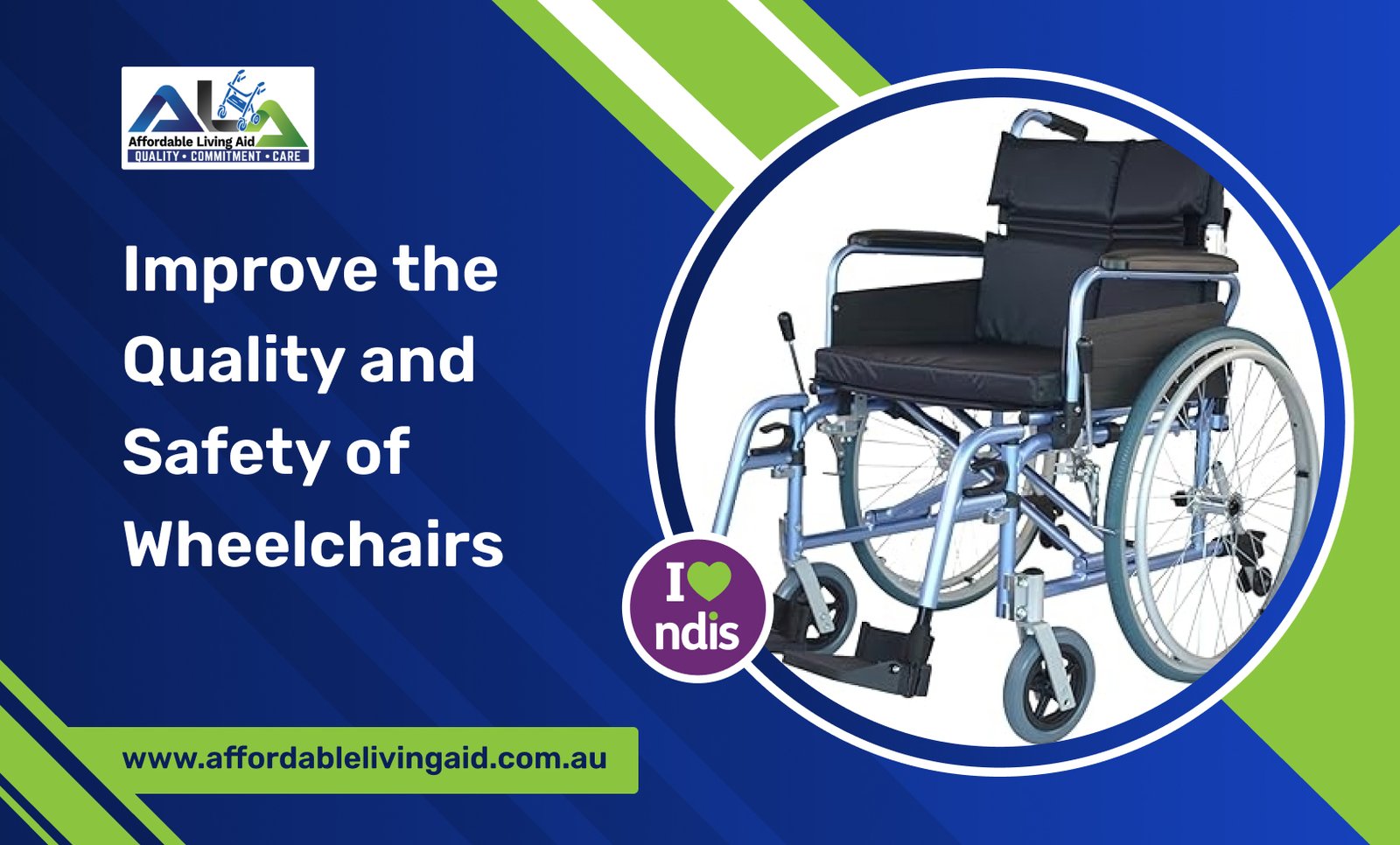
Wheelchairs are essential mobility aids that help many people live independently. Seniors, people with disabilities, rehabilitation patients, and NDIS participants rely on them every day. However, to ensure comfort and independence, it is important to improve the quality and safety of wheelchairs.
High-quality wheelchairs reduce the risk of injuries, improve posture, and provide better mobility support. By focusing on proper design, regular maintenance, and user training, caregivers and users can significantly enhance the safety of wheelchairs while maintaining their durability.
This guide explains practical ways to improve the quality of wheelchairs and create safer home care environments in Australia.
Why Wheelchair Quality and Safety Matter
A wheelchair is more than just a mobility device. It is part of daily life and independence.
Poor-quality wheelchairs or unsafe usage can lead to serious problems such as:
- Falls and tipping accidents
- Back pain or posture issues
- Pressure sores
- Reduced mobility and confidence
High-quality assistive technology helps users move safely indoors and outdoors while supporting long-term health.
For seniors and people using NDIS equipment, choosing the right manual wheelchair can improve comfort, safety, and independence at home.
Choose High-Quality Wheelchair Materials
The first step to improve the quality of wheelchairs is selecting strong and durable materials.
Modern wheelchairs often use:
- Lightweight aluminium frames
- Reinforced steel frames
- Carbon fibre materials
- Durable upholstery
Quality materials offer several benefits:
- Better stability and balance
- Longer product lifespan
- Improved user comfort
- Easier maneuverability
High-quality materials are especially important for people who rely on mobility aids daily.
Ensure Proper Wheelchair Fit and Ergonomics
A poorly fitted wheelchair can cause discomfort and injuries.
To improve the safety of wheelchairs, ensure the chair fits the user properly.
Key fitting factors include:
- Seat width and depth
- Backrest height
- Footrest adjustment
- Armrest support
- Cushion positioning
Proper ergonomics helps reduce pressure points and prevents posture problems.
For seniors and rehabilitation patients, a well-fitted wheelchair improves comfort and reduces fatigue. Using supportive products from the back support category may also help improve posture and sitting comfort.
Perform Regular Wheelchair Maintenance
Maintenance plays a major role in improving the quality and safety of wheelchairs.
Wheelchairs should be inspected regularly to prevent mechanical problems.
Important maintenance checks include:
- Checking tire pressure and wheel alignment
- Tightening loose bolts or screws
- Inspecting brakes and locks
- Cleaning moving parts
- Replacing worn-out cushions or supports
Routine maintenance ensures the wheelchair continues to function safely and efficiently.
Caregivers and home care providers should include wheelchair checks as part of regular homecare equipment maintenance.
Improve Wheelchair Stability and Anti-Tip Features
One of the most important safety improvements is preventing tipping accidents.
Many modern wheelchairs include features that enhance stability, such as:
- Anti-tip wheels
- Wider wheelbase
- Stronger braking systems
- Adjustable center of gravity
These features greatly improve the safety of wheelchairs, especially for seniors who may have limited balance or strength.
Stability is particularly important when navigating slopes, ramps, or uneven surfaces. Installing safe accessibility ramps for wheelchairs can further reduce the risk of falls and accidents.
Add Pressure-Relief Cushions and Support
Comfort and safety often depend on proper seating support.
Specialized cushions help distribute weight evenly and prevent pressure sores.
Common wheelchair cushion types include:
- Memory foam cushions
- Gel cushions
- Air cushions
- Pressure relief cushions
These cushions are commonly used in rehabilitation equipment and medical mobility aids.
For long-term wheelchair users, pressure relief systems greatly improve overall comfort.
Train Users and Caregivers on Safe Wheelchair Use
Even the highest-quality wheelchair can become unsafe without proper usage.
Training users and caregivers improves confidence and reduces accidents.
Important wheelchair safety practices include:
- Learning safe transfers in and out of the wheelchair
- Using brakes before sitting or standing
- Navigating ramps safely
- Avoiding steep slopes
- Maintaining proper posture while seated
People caring for seniors at home may also benefit from using additional daily living aids to improve safety and independence.
Upgrade to Advanced Assistive Technology
Modern assistive technology offers new ways to improve wheelchair safety and usability.
Advanced wheelchair features may include:
- Power-assisted wheels
- Smart braking systems
- Adjustable seating systems
- Electric wheelchairs with stability sensors
- Lightweight foldable mobility designs
These innovations improve independence and reduce strain for people with mobility limitations.
For many Australians, NDIS support may help fund advanced electric wheelchairs and home care solutions.
Create a Wheelchair-Friendly Home Environment
Wheelchair safety also depends on the home environment.
Improving accessibility helps reduce accidents and improves independence.
Simple changes include:
- Installing ramps
- Widening doorways
- Removing loose rugs
- Adding grab rails
- Improving lighting in hallways
Combining daily living aids, home modifications, and mobility equipment can significantly improve safety at home.
These adjustments are especially helpful for mobility aids for seniors and people recovering from injuries.
Conclusion
Wheelchairs play a critical role in maintaining independence and mobility. By focusing on proper fit, strong materials, regular maintenance, and modern assistive technology, it is possible to significantly improve the quality and safety of wheelchairs.
For seniors, caregivers, and NDIS participants in Australia, investing in high-quality mobility aids can greatly enhance daily comfort and confidence.
If you are looking for reliable mobility aids, homecare equipment, rehabilitation tools, and daily living aids, explore the wide range of products available at Affordable Living Aid. You can also access the NDIS order form to get support with approved mobility and home care solutions across Australia.