


How to Get a Wheelchair Through NDIS

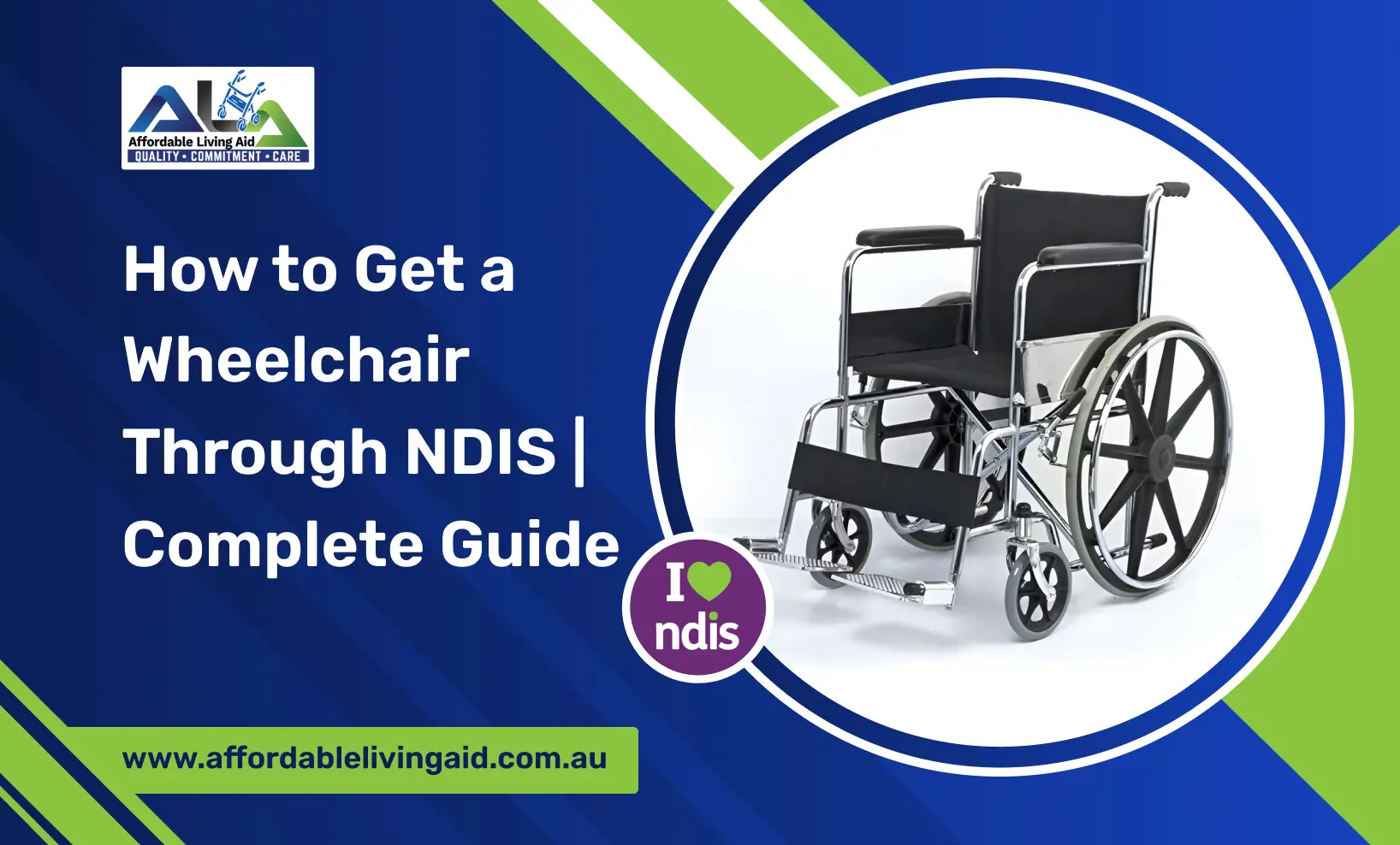
Sometimes, life changes in ways we never expect. A simple walk, a daily routine, or even moving from one room to another can suddenly feel overwhelming. In those moments, the right support doesn’t just bring comfort, it brings dignity, freedom, and hope.
A wheelchair is more than equipment. It’s independence. It’s confidence. It’s the ability to reclaim your life and move forward literally and emotionally.
If you or your loved one needs a wheelchair through the NDIS, this guide will walk you through the process step by step with clarity and care.
Step 1: Understand If You’re Eligible
Before applying for a wheelchair through NDIS, the first step is understanding eligibility.
Generally, the wheelchair must be considered “reasonable and necessary” to support your disability-related needs. This means it should help you:
- Improve mobility and independence
- Participate in daily activities
- Access your community safely
- Enhance your overall quality of life
If your mobility challenges are linked to your disability, there’s a strong chance you may qualify.
Step 2: Speak with Your Healthcare Professional
Your healthcare team plays a huge role in this journey.
Book an appointment with professionals such as:
- Occupational Therapist
- Physiotherapist
- Rehabilitation Specialist
They will assess:
- Your mobility needs
- Your physical condition
- Your daily lifestyle
- What type of wheelchair suits you best
This assessment becomes the foundation of your application.
Step 3: Get a Detailed Assessment Report
This report is one of the most important documents in your application.
It should include:
- Why you need a wheelchair
- What challenges you currently face
- How the wheelchair will improve your life
- Recommended wheelchair type and specifications
- Clinical justification
The stronger and more detailed the report, the smoother your approval process can be.
Step 4: Include it in your NDIS Plan
Once your assessment is ready, discuss it during your NDIS Plan Review meeting.
You can talk to:
- Your Support Coordinator
- Your Plan Manager
- Your NDIA planner
Make sure the wheelchair request is clearly added under your assistive technology funding.
Step 5: Request an Assistive Technology Quote
Once approved, you’ll usually need quotes from wheelchair suppliers.
Ask for:
- Product details
- Pricing
- Delivery timelines
- Warranty information
- Maintenance support
This helps NDIA confirm the funding amount.
Step 6: Submit Your Application
Now it’s time to send everything:
- Assessment report
- Supplier quote
- Supporting documents
- Recommendation letters (if needed)
Double-check every detail before submission—small errors can delay approvals.
Step 7: Wait for Approval
Approval times can vary.
During this period:
- Stay in touch with your coordinator
- Follow up if needed
- Keep copies of all documents
Patience can feel hard but remember, you’re moving toward something life-changing.
Step 8: Receive Your Wheelchair & Training
Once approved, your wheelchair will be ordered and delivered.
You may also receive:
- Setup assistance
- Safety training
- Adjustment sessions
- Maintenance guidance
This ensures the wheelchair fits your life—not just your body.
Tips to Get NDIS Wheelchair Approved Faster
To speed up wheelchair approval through the NDIS, focus on getting your application clear, complete, and well-supported from the start.
First, make sure you have a strong Occupational Therapist (OT) assessment. This should clearly explain your mobility limits, why a wheelchair is needed, and how it will improve your daily life. A detailed OT report reduces back-and-forth delays.
Second, link the wheelchair directly to your NDIS goals, such as independence, safety, education, work, or community access. Clear goal alignment makes approval easier.
Third, submit a complete supplier quote with full costs, model details, and accessories. Missing or unclear quotes often slow things down.
Fourth, include supporting medical evidence like GP or specialist reports. More evidence = faster decisions.
Fifth, clearly describe your daily challenges in real situations, not general statements. For example, explain how far you can walk, or where you need help.
Sixth, if possible, request it during a plan review, as this is often processed more smoothly than mid-plan changes.
Finally, follow up politely and regularly to ensure your application is progressing and no documents are missing.
Conclusion
Getting a wheelchair through the NDIS can feel like a long process, but it becomes much faster and smoother when your application is well-prepared. A strong Occupational Therapist report, clear NDIS goals, complete medical evidence, and a detailed supplier quote are the key factors that help speed up approval. When everything clearly shows your need and how the wheelchair will improve your daily life, the NDIS can make a quicker decision with fewer delays.
FAQs
1. How long does NDIS wheelchair approval usually take?
It can take a few weeks to several months depending on how complex your needs are and how complete your documents are.
2. Do I need an Occupational Therapist for a wheelchair request?
Yes, an OT assessment is usually required because it explains your mobility needs and recommends the right type of wheelchair.
3. Can NDIS fund a powered wheelchair?
Yes, if it is considered reasonable and necessary for your disability and supported by medical evidence.
4. What causes delays in wheelchair approval?
Common delays happen due to missing documents, unclear reports, incomplete quotes, or lack of strong medical evidence.
5. Can I choose my own wheelchair?
Yes, in most cases you can choose a supplier and wheelchair model, as long as it meets NDIS requirements and is supported by your OT.