


Mobility Scooter Speed Guide Australia: Legal Limits, Common Issues & Solutions

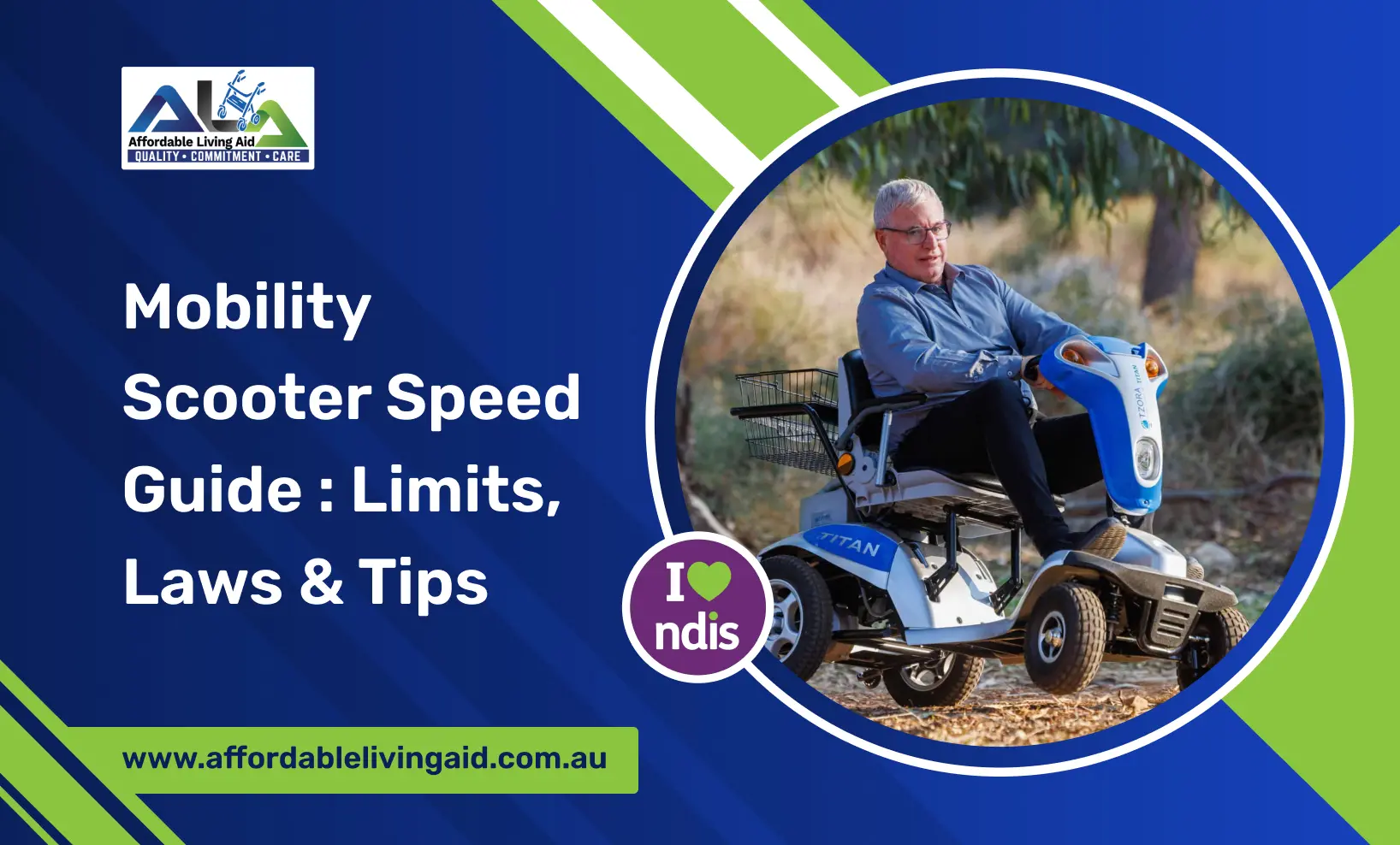
Mobility scooters have transformed the lives of thousands of Australians by providing independence, freedom, and confidence in everyday travel. Whether you’re heading to the local shops, visiting friends, or simply enjoying a ride through the neighborhood, understanding your scooter’s speed capabilities and legal requirements is essential.
Many users often ask questions such as:
- How fast can a mobility scooter go?
- What is the mobility scooter speed limit in Australia?
- Are there any mobility scooter speed restrictions?
- What is the legal speed for a mobility scooter?
This comprehensive mobility scooter speed guide answers all these questions and more. We’ll explore Australian laws, common speed-related issues, safety considerations, and practical solutions to help you get the most from your mobility scooter.
Understanding Mobility Scooter Speed
Speed is one of the most important factors when choosing or using a mobility scooter. It directly affects travel time, safety, battery consumption, and legal compliance.
Modern mobility scooters are designed to balance convenience and safety. While some scooters are built for short indoor trips, others are designed for longer outdoor journeys and can travel at higher speeds.
The actual speed of a mobility scooter depends on several factors, including:
- Motor power
- Battery condition
- Rider weight
- Terrain type
- Tyre condition
- Weather conditions
- Manufacturer specifications
Understanding these factors can help users maintain optimal performance and avoid unnecessary speed-related problems.
How Fast Can a Mobility Scooter Go?
One of the most common questions among buyers is: “How fast can a mobility scooter go?”
The answer depends on the type of scooter.
Portable Mobility Scooters
Portable or travel scooters are lightweight and designed for convenience. They typically reach speeds between:
6 km/h to 8 km/h
These models are ideal for:
- Shopping centers
- Medical appointments
- Indoor environments
- Short-distance travel
Mid-Size Mobility Scooters
Mid-range scooters offer improved comfort and performance.
Typical speed range:
8 km/h to 10 km/h
These scooters are suitable for:
- Daily errands
- Community travel
- Local neighborhood trips
Heavy-Duty Mobility Scooters
Heavy-duty models are designed for longer distances and outdoor use.
Typical speed range:
10 km/h to 15 km/h
Some advanced models may travel even faster, but legal restrictions must always be considered.
Mobility Scooter Speed Limit in Australia
Understanding the mobility scooter speed limit is crucial for staying compliant with Australian regulations.
Across Australia, mobility scooters are generally classified as pedestrian mobility devices rather than motor vehicles. This means users must follow pedestrian-related rules when operating on footpaths and shared pathways.
Footpath Speed Limits
Most Australian states require mobility scooter users to travel at a safe speed that does not endanger pedestrians.
In many situations, scooters should not exceed:
10 km/h on footpaths and pedestrian areas
However, users should always slow down when:
- Approaching crowded areas
- Crossing intersections
- Passing pedestrians
- Entering shopping precincts
Remember that the posted speed limit is not always the safest speed.
Mobility Scooter Australia Laws You Should Know
Australian regulations vary slightly between states and territories, but several rules apply nationwide.
General Legal Requirements
A mobility scooter user generally:
- Must use footpaths where available
- Must give way to pedestrians
- Must travel safely and responsibly
- Must use crossings when available
- Must obey road safety regulations
Who Can Use a Mobility Scooter?
Typically, mobility scooters are intended for individuals with mobility limitations resulting from:
- Age-related mobility challenges
- Disability
- Injury recovery
- Medical conditions affecting movement
Registration Requirements
In most Australian states:
- Registration is generally not required
- A driver’s licence is usually not required
- Insurance requirements vary
Always check your local state regulations for specific requirements.
What Is the Mobility Scooter Legal Speed?
The mobility scooter’s legal speed depends on both the scooter’s design and how it is being used.
A scooter may technically be capable of higher speeds, but users must operate it at a safe speed suitable for the environment.
For example:
- Busy shopping areas require slower speeds
- Residential footpaths require caution
- Shared pathways demand pedestrian awareness
The legal expectation is that users travel safely without creating risks for others.
Common Mobility Scooter Speed Restrictions
Many scooter owners become frustrated when their scooter suddenly slows down. Often, this is due to built-in mobility scooter speed restrictions.
Manufacturers include speed controls for several reasons:
Safety Protection
Speed limiters help prevent accidents and improve rider safety.
Battery Conservation
Restricting speed can significantly increase battery range.
Regulatory Compliance
Manufacturers often configure scooters to comply with Australian safety standards and local regulations.
Terrain Detection
Some advanced scooters automatically reduce speed when:
- Climbing hills
- Turning corners
- Descending slopes
This feature helps prevent tipping and improves stability.
Why Is My Mobility Scooter Going Slower Than Usual?
Speed loss is one of the most common complaints among scooter users.
Several factors may be responsible.
Battery Problems
Weak batteries are often the main culprit.
Signs include:
- Reduced top speed
- Shorter travel distance
- Slow acceleration
Solution:
Replace aging batteries and follow proper charging practices.
Worn Tyres
Underinflated or worn tires increase rolling resistance.
Result:
- Slower speeds
- Reduced efficiency
- Poor handling
Solution:
Inspect tyres regularly and maintain recommended pressure levels.
Motor Wear
Older scooters may experience motor performance decline.
Symptoms:
- Reduced power
- Difficulty climbing hills
- Lower maximum speed
Solution:
Schedule professional servicing.
Excess Weight
Carrying loads beyond the scooter’s weight capacity affects speed and performance.
Solution:
Stay within manufacturer weight guidelines.
How Weather Affects Mobility Scooter Speed
Many users overlook environmental factors.
Cold Temperatures
Cold weather reduces battery efficiency.
Effects:
- Lower speed
- Reduced driving range
Rain and Wet Conditions
Wet surfaces require slower speeds for safety.
Risks include:
- Reduced traction
- Longer stopping distances
Strong Winds
Headwinds can noticeably reduce travel speed, especially on open pathways.
Safety Tips for Managing Mobility Scooter Speed
A faster scooter isn’t always better.
Safe riding should always be the priority.
Match Speed to Conditions
Adjust your speed based on:
- Pedestrian traffic
- Weather
- Surface conditions
- Visibility
Slow Down Near People
Children, pets, and elderly pedestrians may move unpredictably.
Use Proper Lighting
Good visibility improves safety during:
- Early mornings
- Evenings
- Overcast conditions
Perform Regular Maintenance
Routine inspections help ensure:
- Consistent speed
- Better battery life
- Safer operation
Can You Increase a Mobility Scooter’s Speed?
Many users wonder whether they can modify their scooter for higher speeds.
Technically, modifications may be possible on some models.
However, increasing speed can:
- Void warranties
- Reduce safety
- Shorten battery life
- Create legal compliance issues
Before making any modifications, consult the manufacturer or a qualified mobility scooter technician.
Choosing the Right Mobility Scooter Speed
The best scooter speed depends on your lifestyle.
For Indoor Use
Recommended:
6–8 km/h
For Daily Local Travel
Recommended:
8–10 km/h
For Longer Outdoor Trips
Recommended:
10–15 km/h
Choose a scooter that balances:
- Comfort
- Safety
- Range
- Reliability
Rather than focusing solely on maximum speed.
Conclusion
Understanding mobility scooter speed is about much more than knowing how fast your scooter can travel. It’s about maintaining independence while staying safe, comfortable, and compliant with Australian regulations.
By following this mobility scooter speed guide, understanding mobility scooter Australia laws, respecting mobility scooter speed limits, and addressing common performance issues early, you can enjoy a smoother and more reliable riding experience.
Whether you’re a first-time buyer or a long-time user, the key is finding the right balance between speed, safety, and everyday practicality. A well-maintained mobility scooter operated responsibly can provide years of freedom, confidence, and mobility.
FAQs
- How fast can a mobility scooter go?
Most mobility scooters travel between 6 km/h and 15 km/h depending on the model and design.
- What is the mobility scooter speed limit in Australia?
In many situations, users should not exceed approximately 10 km/h on footpaths and must always travel safely around pedestrians.
- What is the mobility scooter’s legal speed?
The legal speed is generally the speed that allows safe operation without endangering pedestrians or violating local regulations
- Are mobility scooter speed restrictions normal?
Yes. Manufacturers often include speed restrictions for safety, battery efficiency, and legal compliance.
- Can a mobility scooter go faster after servicing?
Yes. Replacing worn batteries, maintaining tyres, and servicing the motor can improve performance and restore normal operating speed.