


Electric Wheelchairs vs Manual Wheelchairs: Pros and Cons for Long-Term Use

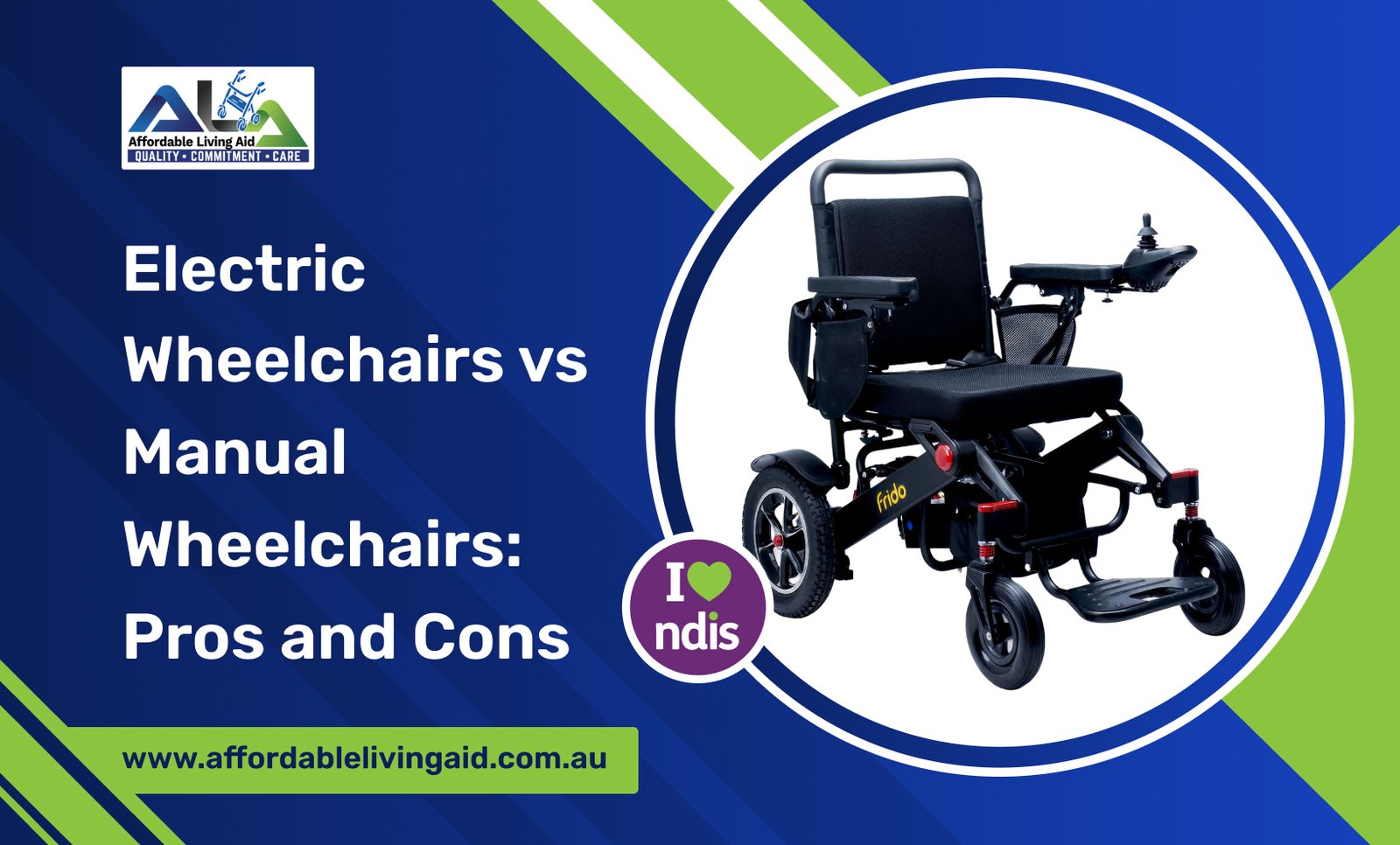
Choosing the right wheelchair is key for seniors, people with disabilities, and NDIS participants. Understanding electric wheelchairs vs manual wheelchairs helps you select the best option for mobility, independence, and safety at home. This guide explains the pros and cons of electric wheelchairs and manual wheelchairs for long-term use in Australia.
What Are Manual Wheelchairs?
Manual wheelchairs Manual wheelchairs are pushed by the user or a caregiver. They are simple, lightweight, and often easier to transport. You can explore different options in our range of manual wheelchairs designed for comfort and everyday mobility needs.
pushed by the user or a caregiver. They are simple, lightweight, and often easier to transport.
Pros of Manual Wheelchairs
- Lightweight and portable – easy to fold and store.
- Lower cost – affordable for long-term use.
- Exercise benefits – promotes upper body strength.
- Easy maintenance – fewer parts to repair.
Cons of Manual Wheelchairs
- Physical effort required – can be tiring for long distances.
- Limited independence – users may rely on caregivers.
- Less suitable for rough terrain – outdoor mobility may be restricted.
Manual options are often part of broader mobility aids that support daily independence.
What Are Electric Wheelchairs?
Electric wheelchairs use batteries and a motor, controlled by a joystick or touchpad. They are ideal for people needing long-term mobility support with less physical effort. You can explore advanced models under our electric wheelchairs category.
Pros of Electric Wheelchairs
- Increased independence – users can move without assistance.
- Suitable for long distances – perfect for outdoor mobility.
- Comfort options – adjustable seating and advanced support.
- NDIS equipment eligible – can be funded for eligible participants.
For users looking for broader powered solutions, our electric mobility aids range includes multiple supportive options.
Cons of Electric Wheelchairs
- Higher cost – more expensive than manual wheelchairs.
- Heavier and less portable – may require vehicle lifts.
- Battery maintenance needed – requires charging and upkeep.
- Repair costs – motorized components may need professional service.
Key Factors to Consider
When choosing between manual or electric wheelchairs, consider:
- Daily activity level – longer distances may need electric mobility aids.
- Physical strength – manual wheelchairs need upper body effort.
- Home layout – narrow spaces may suit lighter manual chairs.
- Budget and funding – check NDIS support for electric wheelchairs via the NDIS order form
Understanding your full care needs can also be supported by reviewing frequently asked questions about mobility products and funding options.
Practical Tips for Seniors and Caregivers
- Test both types in stores before deciding.
- Check battery life for electric wheelchairs.
- Look for adjustable features to enhance comfort.
- Speak with experts via our contact us page for personalized guidance.
Conclusion
Choosing between electric wheelchairs vs manual wheelchairs depends on your mobility needs, home environment, and long-term comfort. Manual wheelchairs are simple and portable, while electric wheelchairs offer independence and ease for longer distances.
At Affordable Living Aid, we provide a wide range of mobility aids, homecare equipment, and daily living support solutions across Australia. Learn more about our mission on our about us and discover how we help improve independence, comfort, and safety for every user.